

Sarasota's commercial real estate (CRE) market has experienced regular growth within the last five decades, pushed by a mix of population growth, tourism, and a diversified economy. Based on local industry knowledge, company and retail room vacancy charges have stayed under 10% in leading areas, signaling strong demand. Investors are especially drawn to mixed-use developments and waterfront sarasota warehouse, which have constantly demonstrated above-average rental yields.
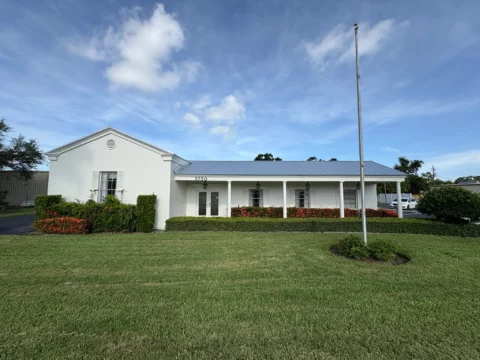
Which home types are in need?
Professional and factory areas are witnessing substantial development, specially with the increase of e-commerce and distribution hubs. Retail areas in downtown centers, though challenged by e-commerce, still maintain high occupancy in well-located areas. Company spots catering to computer, money, and skilled services stay beautiful, specially houses that allow flexible lease structures.
How can population growth influence professional real estate?
Sarasota Region has observed a citizenry raise of around 1.5% annually, creating growing need for commercial infrastructure. Places with new residential developments usually visit a similar rise in retail and company demand. Investors leveraging demographic data to target high-growth neighborhoods tend to attain higher occupancy costs and hire stability.
Is there certain neighborhoods with higher ROI potential?
Yes. Downtown Sarasota, Lakewood Farm, and Gulf Shore parts have emerged as top-performing zones. Houses near transport hubs, industrial corridors, and emerging residential communities have a tendency to appreciate faster and offer greater cash flow.
What role does local economic growth play?
Sarasota's economy advantages from healthcare, tourism, and small-to-medium enterprises. Financial diversification reduces chance for commercial investors, as occupancy rates and lease renewals stay relatively stable also throughout market fluctuations. Local government initiatives promoting infrastructure improvements and business-friendly guidelines more improve investment appeal.
How important is house type diversification in Sarasota?
Diversifying across industrial, retail, and office places can mitigate industry risks. As an example, industrial attributes have now been more sturdy all through financial downturns, while office and retail rooms provide larger short-term results in growing economic conditions.
What're market hire tendencies?
Average asking rents for perfect industrial place in Sarasota have cultivated by around 4% annually. Professional homes cause in rental growth, followed closely by office and retail. Houses with modern amenities and natural developing certifications frequently command a premium.
Exist financing possibilities for investors?
Yes. Competitive financing charges and regional economic institutions acquainted with the Sarasota industry provide tailored answers for CRE investors. Use of structured financing and professional loans helps investors to power possibilities in both development and order projects.
How can investors determine chance in the Sarasota CRE industry?
Investors must monitor vacancy rates, hire growth traits, and local financial indicators. Employing skilled appraisals, market studies, and demographic information guarantees informed decision-making while lowering exposure to promote volatility.
What's the long-term view for Sarasota industrial real estate?
Industry outlook remains good, with constant populace development, financial diversification, and continuing infrastructure progress encouraging experienced demand. Investors concentrating on proper places, home form diversification, and modern amenities are likely to obtain effective results over the next decade.
Conclusion:
Sarasota professional real-estate offers a variety of secure revenue and development potential. By leveraging industry data, focusing on high-demand property types, and carefully considering neighborhoods, investors may recognize strategic options that align with equally short-term returns and long-term capital appreciation.